
Start with the item and the first bite
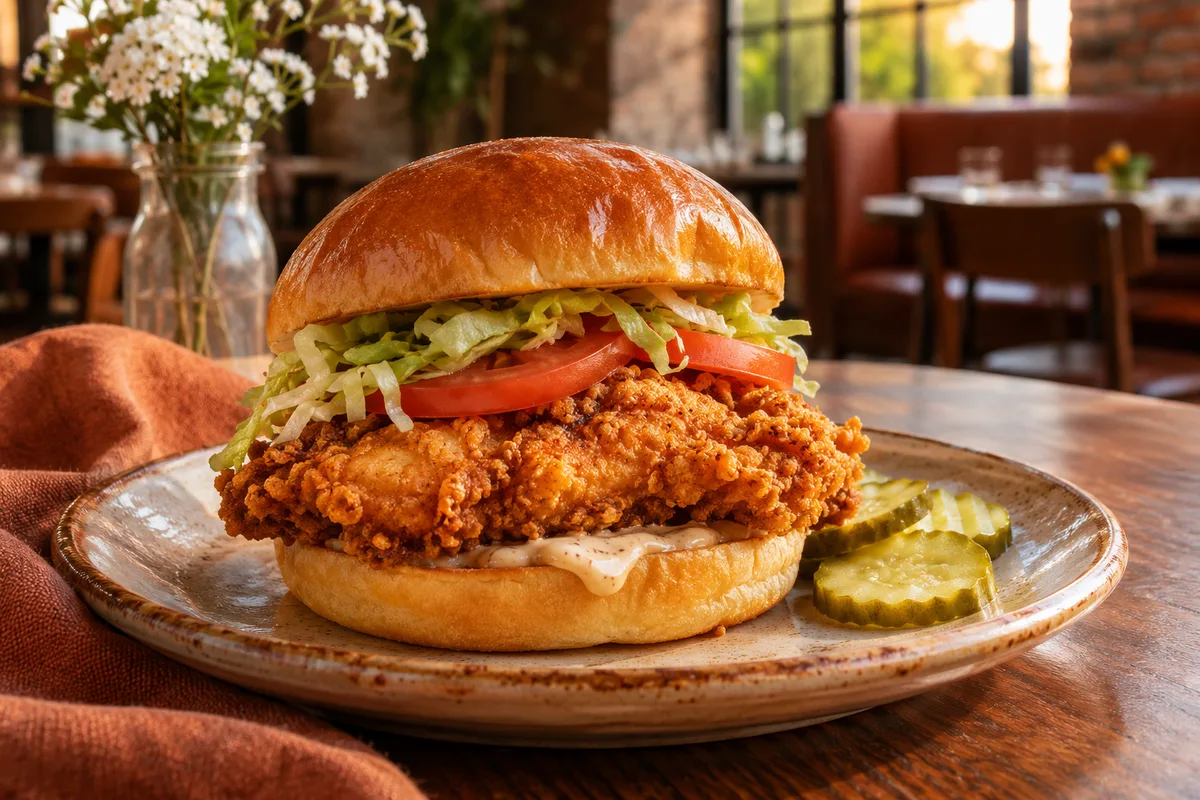
A description of food quality is strongest when the reader can picture what was served. Identify the item, the side or sauce you tried with it, and which feature drew your attention. “The coating stayed crisp, and the center was tender” communicates more about fried chicken than a broad claim about the whole meal. If you preferred the side, describe what worked about the side itself.
A report about a Slim Chickens order can also name the preparation or customization you selected. Keep the language simple and concrete. A review can say a sauce tasted sweeter than expected without asserting how it was made. Explain what mattered to your enjoyment and how you noticed it.
Record when and where you opened the order
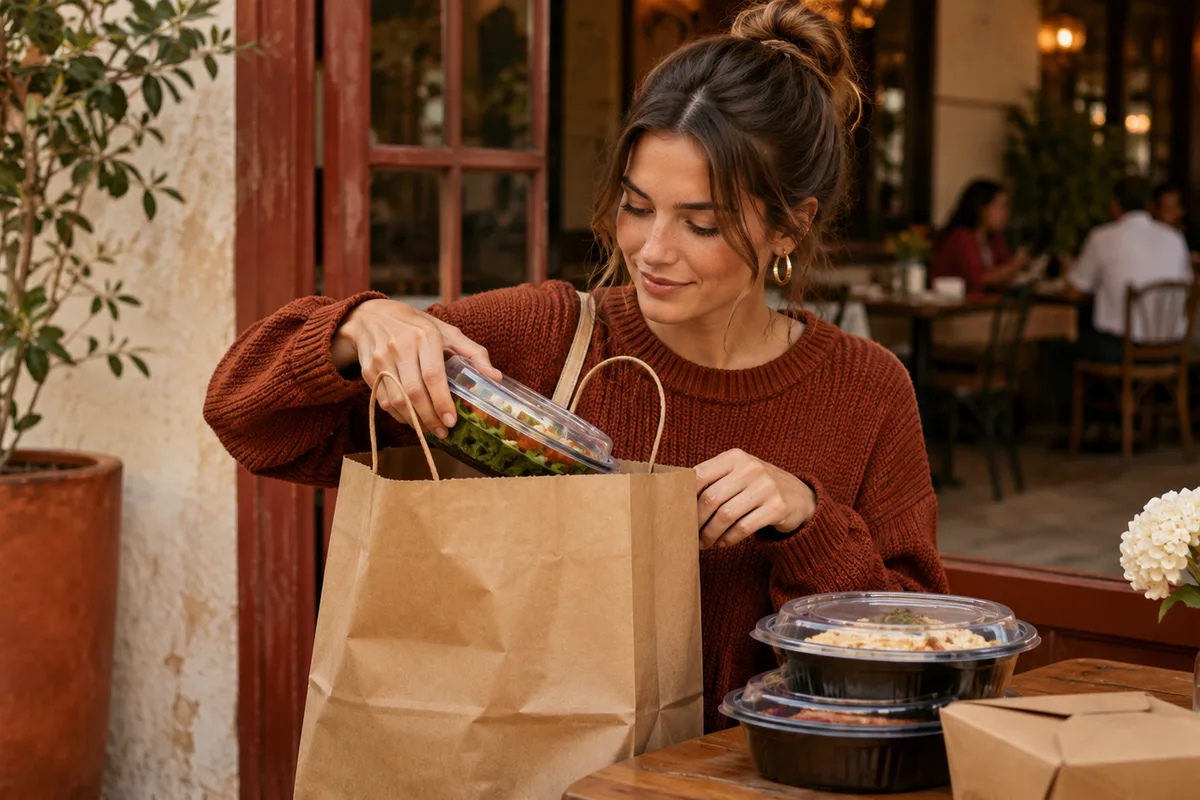
Texture and temperature change while food travels. Steam can build up in a closed container, and a crisp side can soften before you get home. Write down the approximate interval between pickup and opening the order. If you ate part of it right away and saved the rest, mention which portion your observation applies to. That distinction helps someone understand the conditions of the meal.
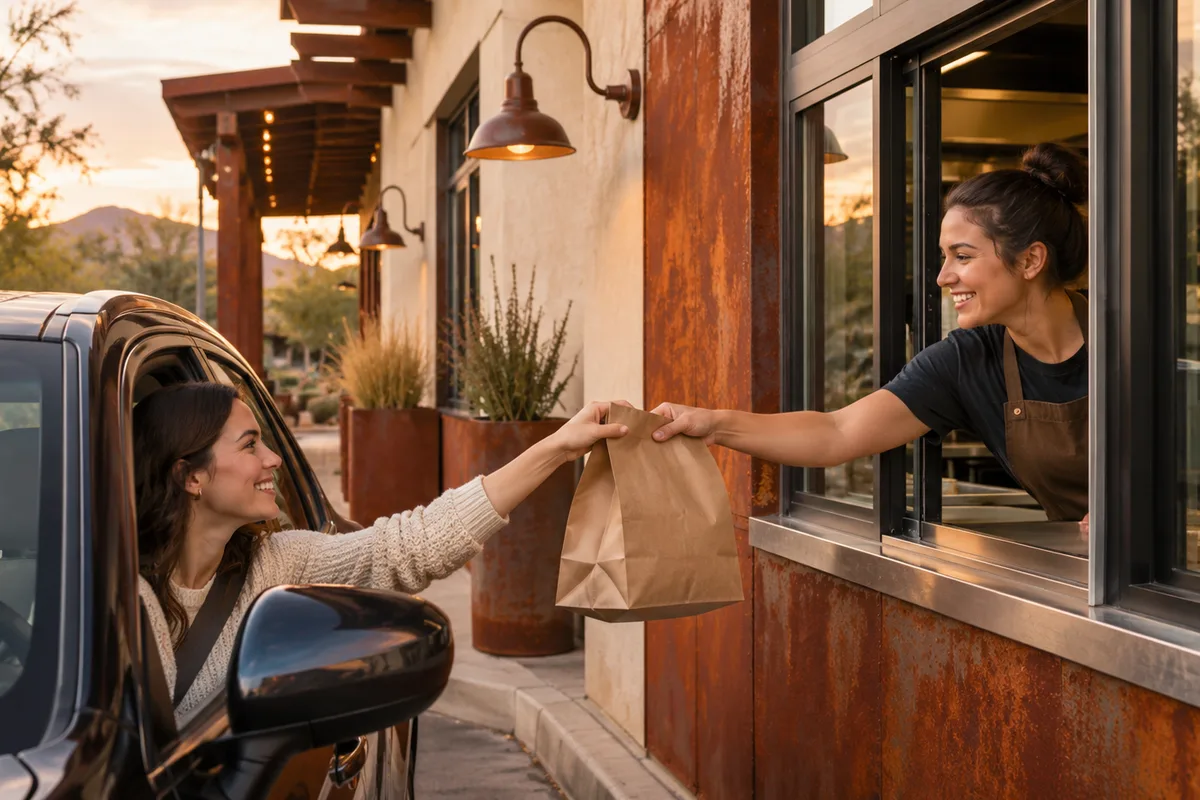
For dine-in, mention whether you started eating when the food arrived or after the rest of the table was served. For delivery, record the time you received the package and whether you opened it promptly. Use an estimate if necessary. An honest range gives the reader useful context without inventing precision.
Describe freshness through what you could observe
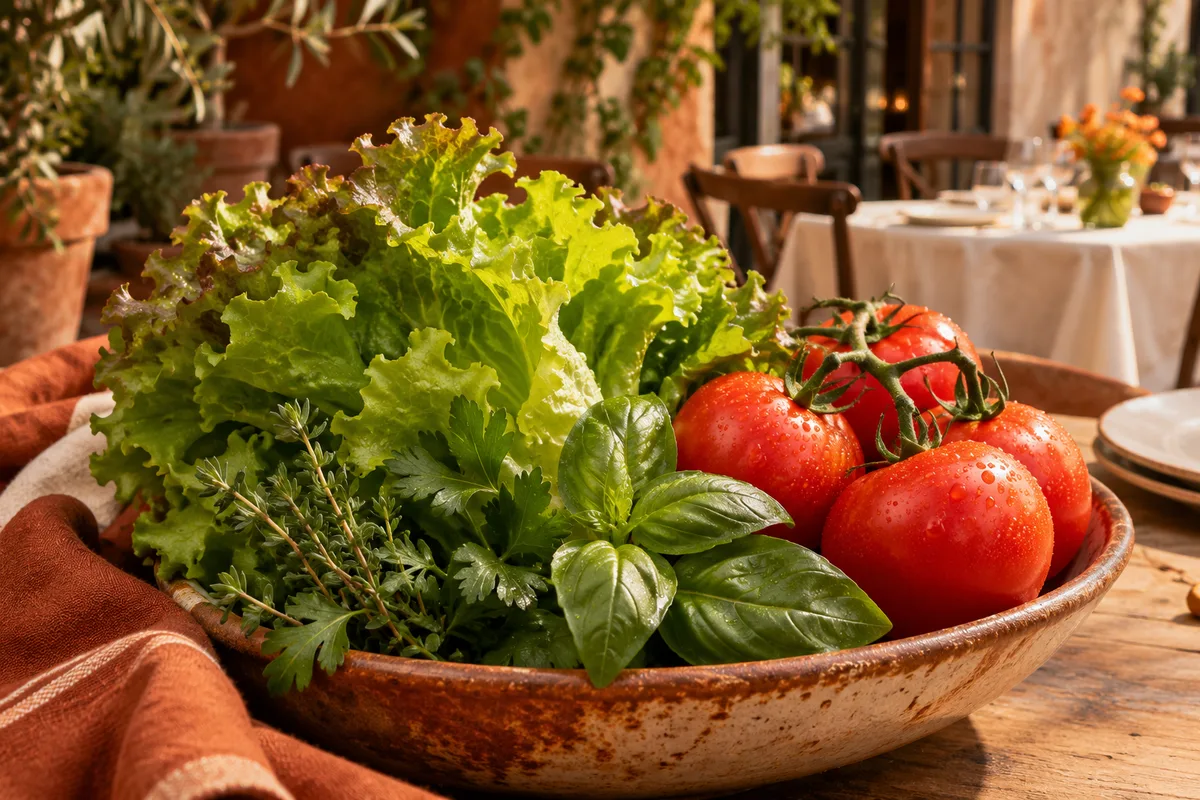
Freshness can mean different things to different guests. A salad can look bright and have crisp leaves, while a warm sandwich can feel fresh because of its texture and temperature. Name the cues behind your impression. If a garnish seemed wilted, say which garnish and whether the same issue appeared in more than one item. If you enjoyed the contrast of a crisp vegetable and a soft bun, say so.
Avoid presenting a conclusion about storage or preparation when you only saw the final meal. You can say that a bun tore when you lifted it or that a side was lukewarm when you opened it. These details are still useful without a theory about what happened in the kitchen.
Compare the description with the dish
If the Slim Chickens menu described an ingredient or a side that you expected, name the ingredient and say what you saw. Check the confirmation to see whether your selection matches your memory. When you are talking about flavor, explain whether the description led you to expect something specific, such as noticeable heat, or whether you simply prefer a different flavor.
It is possible to like a dish while finding its description unclear. It is also possible for a clear description to match a dish you would choose differently next time. Give both details when they matter. Smislechicks encourages feedback that distinguishes your experience with the wording from your experience with the meal.
Try a three-part food note
Write down the item, the moment you tried it, and the quality you observed. For example, a diner might note that a sandwich was served warm, its coating was crisp, and the vegetables retained their crunch. A takeout guest could use the same structure for the same dish and get a different account because the timing changed. This is also a way to record food you enjoyed. A clear description of a dish that traveled well can be as helpful as a concern about texture.
Share a useful account
A helpful review might read: “I collected the sandwich and fries after work and opened the bag about ten minutes later. The sandwich was warm and the coating still crisp. The fries had softened by the time I got home, so I would choose a different side for takeout.” This describes the meal, puts it in context, and makes the preference clear.
If your concern involves a current order or a specific ingredient, contact Slim Chickens or the ordering provider through an official channel. Use the current Slim Chickens menu and official resources when looking for ingredient information, and ask the location directly about the item involved. For a general review, end with the observation or change most relevant to your visit.